

Last Updated on May 14, 2026
The due diligence period is the time when you get to fully investigate a deal before you commit to it. Whether you’re buying real estate or reviewing a company during an acquisition, this diligence period helps you confirm the real value of the property or business, uncover potential risks, and make sure the purchase price makes sense.
If you’re an investor, real estate buyer, deal team member, or corporate finance professional, this guide gives you a comprehensive understanding of what the diligence process looks like.
By the end, you’ll have practical tools like a diligence checklist, a clearer view of what the diligence period entails, and the confidence to protect yourself when major issues or potential risks come up. This guide helps you make smart, informed decisions, whether you move forward, negotiate better terms, or walk away from a deal that doesn’t fit your goals.
When & Where Does a Due Diligence Period Apply
You’ll use a due diligence period anytime you need time to investigate a deal before committing to it. This window lets you confirm facts, review documents, check for potential risks, and decide if the purchase price is fair. The goal is simple: protect yourself by completing a thorough investigation before the deal becomes final.
Real Estate Transactions (Residential & Commercial)
In real estate, the diligence period begins after the seller accepts your offer. Home buyers usually get 7–14 days, while commercial real estate transactions often allow 30–90 days. During this time, you can order a title search, schedule property inspections, review HOA rules, check environmental risks, and request a property survey if needed. If major issues appear, you can negotiate repairs, ask for price adjustments, or cancel the deal and keep your earnest money before the diligence period ends.
Business Acquisitions, M&A, and PE/VC Transactions
In M&A deals, the due diligence period helps you understand the true health of a company. Most deals allow 30–60 days to review financials, contracts, legal issues, taxes, and operational risks. If you uncover serious problems, you can renegotiate or walk away. Once the review ends, the buyer decides whether to proceed with the transaction or withdraw.
Mixed-Asset & Hybrid Deals (Company + Real Estate + Assets)
Some deals involve a mix of business assets, real estate, equipment, or intellectual property. These require a wider diligence checklist because each asset type needs its own review. You may need legal experts, environmental specialists, and real estate advisors to make sure nothing is missed.
Cross-Border or Multi-Jurisdiction Deals: Added Complexity
Cross-border deals require extra steps because you’re dealing with different local laws, tax rules, and regulatory requirements. You may also need cybersecurity, privacy, and environmental checks. These added layers often lead to longer diligence periods so you can build a comprehensive understanding of the deal before moving forward.
How Long Should Due Diligence Take: Typical Timeframes & Variables
The length of a due diligence period depends on the type of deal, how complex the assets are, and how quickly the seller shares information. Your goal during this time is simple: make sure you understand the deal, confirm the facts, and spot potential risks before the diligence period ends.
Typical Diligence Periods by Deal Type
Most buyers follow common timelines. These ranges give you enough time to check financials, legal issues, property conditions, and overall fit before committing.
| Deal Type | Typical Diligence Period |
| Home purchase | 7–14 days |
| Commercial real estate transactions | 30–90 days |
| Small business purchase | 2–4 weeks |
| Mid-market M&A | 30–60 days |
| Large or cross-border M&A | 60–120+ days |
These are not fixed rules. Your diligence period can be longer or shorter depending on what you’re buying and how much review you need.
What Affects Duration
Several factors can change how long the diligence process takes:
- Deal complexity: Mixed-asset deals (company + real estate + equipment) take longer.
- Regulatory requirements: Cross-border deals must follow different local laws and tax rules.
- Property type and age: Older buildings or industrial sites may require deeper checks for environmental hazards.
- Seller responsiveness: Slow or incomplete documents lead to delays.
- Data-room readiness: A clean, organized data room speeds up the review.
- Market competition: In hot markets, sellers may push for shorter timelines.
The main point: you need enough time to complete a thorough investigation so you can make an informed decision.
When Does the Clock Start?
Your diligence period begins when both sides agree to it in writing. This can start at:
- The signing of a purchase agreement or sale contract
- Acceptance of an LOI in M&A
- When you receive full data-room access
- After paying an earnest money deposit or due diligence fee in real estate
Once the clock starts, the buyer investigates every key area, financial records, legal issues, contracts, inspections, surveys, and more, to confirm whether the deal is worth the purchase price.
Comprehensive Due Diligence Checklist: What to Review (and Why)
During the due diligence period, you need a clear plan for what to review so you don’t miss any key aspects of the deal. A strong checklist helps you complete a thorough investigation, understand the real value, and identify potential risks before the diligence period ends. Below is a simple walkthrough of each area you should focus on and why it matters.
Financial & Accounting Due Diligence
Financial due diligence helps you confirm whether the numbers match the purchase price. You look through cash flow, profit and loss statements, debts, tax records, rent rolls, and any off-balance-sheet obligations. This review lets you see the true financial health of the business or property, check for red flags, and understand whether the asset can support future costs.
Legal & Compliance Due Diligence
Here, you review contracts, leases, ownership documents, and any ongoing or past disputes. You also look at compliance with local laws, licensing, and tax filings. Legal due diligence protects you from hidden problems like unsettled claims, unclear ownership, or regulatory issues. Legal experts often step in here to make sure every document is valid and accurate.
Operational & Commercial Diligence
This part focuses on how the business operates each day. You examine customers, suppliers, revenue sources, service agreements, and any dependencies that could affect performance. Understanding the business model helps you see whether the company can stay profitable after closing and whether any weak points could slow growth.
Technology, IT & Cybersecurity Review
If the deal involves technology or sensitive data, the diligence process includes reviewing IT systems, software, cybersecurity practices, and data-privacy controls. You also check whether the company has backup systems or recovery plans in case of a breach. With rising cyber threats, this review is now a critical step in many deals.
Real Estate & Fixed-Asset Review
For real estate or mixed-asset deals, you need a clear picture of the physical property. This includes a property title search, property inspections, zoning checks, and a property survey to confirm boundaries. You also review environmental risks such as contamination or structural problems. Lease agreements and equipment conditions are reviewed as well to understand long-term responsibilities.
Regulatory, Tax & Industry-Specific Assessments
Some deals come with extra requirements depending on the industry or location. This may include environmental assessments, cross-border tax reviews, licensing checks, or sector-specific regulations. These deeper reviews help you avoid fines, shutdowns, or restrictions that could affect the asset after closing.
Contractual Safeguards
As you near the end of the diligence period, you review the protections built into the contract. These include representations and warranties, indemnities, contingency clauses, and escrows or holdbacks. These safeguards help you manage risk and give you clear options if new information appears after the deal closes.
Common Pitfalls & Red Flags of Due Diligence Period: What Often Goes Wrong
The due diligence period only works when you use it well. Deals fall apart when key steps are rushed, skipped, or poorly reviewed. Knowing these common issues helps you avoid hidden problems and strengthens your decision before the diligence period ends.
Rushed or Superficial Diligence Under Time Pressure
Some buyers move too fast and don’t allow enough time for a thorough investigation. When you rush:
- You miss warning signs that affect safety, value, or legality.
- You overlook details that could change the purchase price or even kill the deal.
Taking your time, especially with inspections, financial reviews, and legal documents, protects you from expensive surprises later.
Disorganized or Incomplete Data Rooms
A messy or late data-room delivery is a major red flag. When the seller provides incomplete financials, missing contracts, or unclear property records, it usually means you need further investigation. A weak data room slows the review and increases the chance that potential risks stay hidden.
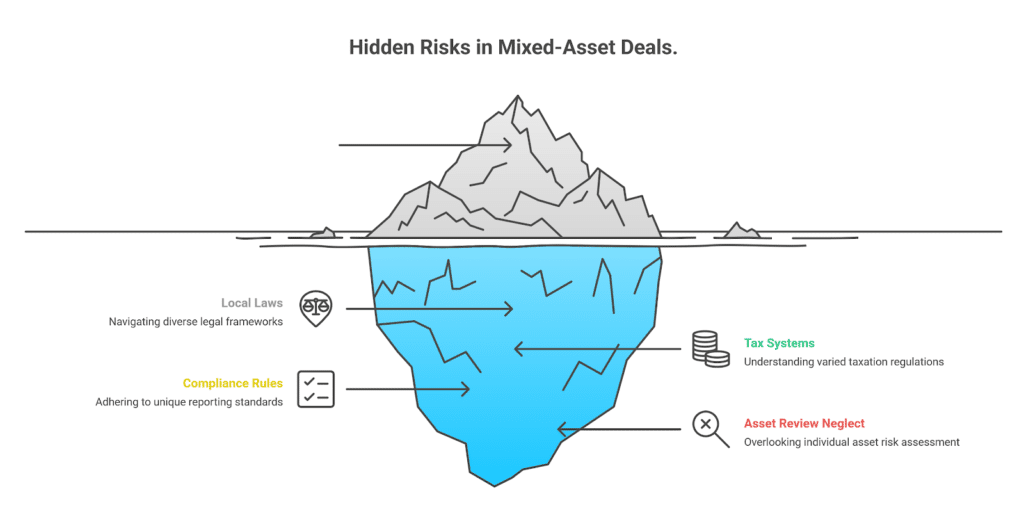
Hidden Risks in Mixed-Asset or Cross-Border Deals
Deals involving a mix of assets (business + real estate + equipment) often bring layered issues you won’t see right away. Cross-border deals add even more challenges because you must deal with:
- Different local laws
- Varying tax systems
- Unique compliance or reporting rules
If you don’t review each asset type separately, important risks can slip through.
Ignoring New Risk Areas: Cybersecurity, ESG, Data Privacy
Many buyers focus only on financials and overlook newer risk categories. Weak cybersecurity, poor data handling, and ESG concerns can cause serious issues after closing. These don’t always appear in standard documents, so checking them directly is essential.
Over-Reliance on Seller Statements Without Verification
It’s a mistake to trust the seller’s word without confirming details yourself. In real estate, this often means skipping a home inspection or title search. In business deals, it might mean accepting revenue claims without reviewing supporting records. Seller statements should guide your search, not replace it.
Post-Closing Surprises and Hidden Liabilities
When diligence is incomplete, serious problems often appear after the deal closes, like undisclosed debts, structural damage, environmental issues, or contract obligations you didn’t know existed. These surprises are exactly why the due diligence period exists and why a careful review matters.
Best Practices for Efficient, High-Quality Due Diligence (For Buyers & Deal Teams)
A successful due diligence period depends on how organized you are and how well you manage time, communication, and expert support. These best practices help you complete a thorough investigation, reduce potential risks, and make smarter choices before the diligence period ends.
Risk-Based Prioritization & Triage: What to Review First When Time or Resources Are Limited
When the clock is running, focus on the areas that impact value and safety the most. Start with anything that could stop the deal or require major price adjustments. This may include:
- Structural or environmental issues in real estate
- Unusual debts, tax problems, or lawsuits in a business
- Missing records or inconsistent financials
Prioritizing critical areas early helps you spot deal-breakers before you invest more time or money.
Building a Robust, Structured Data Room & Document-Request Template
A clean, organized data room makes the whole diligence process faster and easier. Ask the seller for a clear set of documents based on a pre-built checklist. This includes:
- Financial statements and tax records
- Contracts, leases, and service agreements
- Property documents such as the title search, surveys, and inspection reports
A structured approach helps you avoid missing important details and keeps every team member on the same page.
Engaging the Right Experts Early
Strong diligence requires the right specialists, especially when you’re reviewing various aspects of a property or business. You may need:
- Legal experts to check contracts and local laws
- Accountants for financial due diligence
- Environmental specialists for environmental risks
- Licensed home inspectors for physical property reviews
- Technical and cybersecurity teams for IT and data-heavy deals
Having the right people involved early helps you avoid delays and reduces the chance of overlooking major issues.
Contract Strategy: Walkaway Rights, Indemnities, Escrows/Holdbacks, Contingency Clauses
As you move through diligence, your contract terms should protect you if new problems appear. Your agreement may include:
- Walkaway rights during the diligence period
- Indemnities for unexpected losses
- Escrows or holdbacks to cover unresolved issues
- Contingency clauses tied to inspections, financing, or cleanup
These tools support risk mitigation and give you more control over the outcome.
Clear Communication & Timeline Discipline Between Parties
Delays often happen when the buyer and seller don’t communicate well. Setting clear timelines and keeping everyone updated helps prevent gaps or misunderstandings. Most buyers also track milestones, including when the diligence period begins and when certain tasks must be completed, to stay on schedule.
Using Technology, Workflow Tools & Deal-Room Platforms
Modern diligence platforms help you stay organized, share documents quickly, track updates, and store detailed records. These tools can speed up reviews without lowering quality. They’re especially helpful in larger deals, cross-border transactions, and situations where multiple teams must work together.
What’s Changing in 2026: Emerging Trends & Risk Paradigms
The due diligence period is changing fast as new risks, rules, and technologies reshape how buyers review properties and businesses. From cybersecurity to ESG, you now need to consider more than just financials and basic inspections. These 2026 trends show what buyers should expect during the diligence process and why the checklist continues to expand.
Why Cybersecurity & Data-Privacy Review Is Now Critical for Many Deals
Cyber risks continue to rise, and many companies depend heavily on digital systems. Because of this, cybersecurity reviews are becoming a standard part of the due diligence process, even in industries that were not tech-focused before. Buyers now check:
- Data protection policies
- Software security
- Backup and recovery systems
- Past breaches or cyber incidents
Strong cybersecurity is no longer optional. Weak systems can lower market value and lead to costly fixes after closing.
The Growing Importance of ESG, Environmental & Sustainability Risk
ESG (Environmental, Social, Governance) issues are now shaping how buyers look at both businesses and real estate. Environmental risk reviews, such as soil tests, energy efficiency, and building compliance, play a larger role in the diligence period in real estate and commercial deals. For older or industrial properties, environmental checks can uncover contamination, water issues, or other hazards that impact the purchase price and long-term value.
Cross-Border & Global Deals: Increased Complexity
More deals now involve buyers and sellers in different countries. Cross-border transactions require deeper review because you must consider:
- Multiple local laws
- International tax rules
- Data-privacy regulations
- Licensing and reporting standards
Since these deals often include several jurisdictions, the diligence period may need more time, more experts, and more detailed documentation to build a comprehensive understanding of the risks.
Hybrid Deals & Asset Complexity: Real Estate + Business + Intangibles
Many modern deals include a mix of assets, real estate, equipment, intellectual property, and sometimes even digital assets. These hybrid deals require a wider diligence checklist because each asset type has its own risks. Buyers must check everything from property history and zoning rules to patents, trademarks, and cybersecurity systems. This leads to a broader review and more coordination between legal, financial, and technical teams.
Demand for Scalable, Repeatable, Auditable Diligence Workflows
As deals become larger and more complex, buyers are looking for systems that make the diligence period faster and more reliable. Teams now use:
- Digital data rooms
- Workflow tracking tools
- Automated document requests
- Centralized dashboards for detailed records
These tools help buyers work more efficiently, avoid missing key steps, and create a record of everything reviewed during the diligence process. This makes it easier to defend decisions, negotiate repairs, or request price adjustments when issues appear.
Quick-Start Cheat Sheet & Decision Matrix (For Time-Pressed Professionals)
When you’re short on time, you still need a fast way to review the most important parts of the due diligence period. This cheat sheet helps you spot potential risks, understand the deal, and make a smart choice before the diligence period ends.
24–48 Hour Minimal Diligence Checklist (Critical Red Flags and Essential Checks)
If you only have a day or two, focus on the essentials that protect you from major surprises.
Real estate essentials:
- Quick title search
- Basic home inspection or walk-through
- Review of HOA rules and fees
- Check for visible environmental risks
- Go through seller disclosures
Business essentials:
- Review recent financials
- Confirm key contracts
- Check for lawsuits or tax issues
- Confirm ownership and structure
- Quick look at cybersecurity basics
This rapid review helps you identify issues that may require further investigation.
Deal-Size & Complexity Triage Matrix: What to Prioritize Based on Deal Type / Asset Mix / Risk Profile
| Deal Type | Risk Level | What You Should Focus On |
| Basic home purchase | Low–Medium | Inspection, title, HOA, insurance needs, property survey |
| Commercial real estate | Medium–High | Environmental checks, zoning, rent rolls, structural review |
| Small business purchase | Medium | Financial due diligence, tax records, contracts, licensing |
| Mid-market M&A | High | Financials, legal issues, operations, IT systems, compliance |
| Cross-border or hybrid deal | Very High | Local laws, environmental hazards, cybersecurity, tax issues, multi-asset review |
Standard Document-Request Template (Data Room Starter List)
When the diligence period begins, request the core items that give you a clear picture of the deal.
Real estate:
Title report, inspection results, survey, zoning, disclosures, HOA documents.
Business/M&A:
Financial statements, tax returns, contracts, leases, payroll info, IP records, cybersecurity summaries.
These documents form the base of a strong diligence checklist.
Quick Decision Guide: Proceed / Investigate Further / Walk Away / Renegotiate
Use your first round of review to choose your next step:
- Proceed: No major issues
- Investigate further: Some details unclear
- Walk away: Serious legal, structural, or financial problems
- Renegotiate: Issues affecting value or requiring repairs
This guide keeps your choices clear and helps you make informed decisions quickly.
Case Studies & Illustrative Examples (What Works and What Fails)
Real examples help show why the due diligence period matters and how a careful review can protect you from potential risks. These case studies highlight what strong diligence looks like, and what can go wrong when key steps are skipped.
Example A: How Thorough Diligence Uncovered Hidden Liabilities & Saved a Deal
A buyer reviewing a mid-sized company used a full financial due diligence review and found unreported debt, inflated earnings, and outdated contracts. Because they caught these issues early, they were able to negotiate a lower purchase price and add stronger indemnities to the purchase agreement. Without this deeper investigation, the buyer would have taken on expensive liabilities after closing.
Example B: What Happens When Diligence Is Rushed, Post-Closing Surprises or Deal Collapse
A homebuyer skipped parts of the home inspection and didn’t review homeowners association rules during their short diligence period. After closing, they discovered structural problems, high special assessments, and foundation damage. Since the diligence period had ended, they couldn’t back out or recover their earnest money. This could have been avoided with a complete checklist and proper inspections.’
Example C: Hybrid / Cross-Border Deal with Mixed Assets, Challenges & Lessons Learned
A private equity team bought a company that owned both real estate and equipment in another country. They needed reviews for zoning, local laws, environmental conditions, contracts, and tax rules. A property title search, a Phase I environmental check, and local legal advice helped them discover compliance issues and irregular land boundaries. These findings led to repairs, legal updates, and a revised contract before closing.
Example D: Using Modern Workflows / Data Rooms to Accelerate Diligence Without Sacrificing Quality
A commercial real estate buyer used a digital data room, shared checklists, and workflow tools to manage a 30-day diligence process. This allowed inspectors, legal experts, and financial teams to work together in real time. The process stayed organized, deadlines stayed clear, and the buyer completed all reviews early, without missing important details. Technology helped them finish fast while still protecting themselves.
Frequently Asked Questions
1. What is A Due Diligence Period?
A due diligence period is the set amount of time a buyer gets to investigate a property or business before closing. During this period, the buyer checks financial records, inspections, legal documents, title searches, and any risks that could affect the purchase price. It helps the buyer confirm the deal’s true value and decide whether to move forward, renegotiate, or walk away.
2. Can A Buyer Back Out After Due Diligence?
Most buyers can back out during the due diligence period without penalty and usually get their earnest money returned. Once the diligence period ends, the buyer’s right to cancel typically expires. Backing out after that point may lead to losing the earnest money or breaking the purchase agreement unless a contract clause allows it.
3. What Happens During A Due Diligence Period?
During the due diligence period, the buyer completes a thorough investigation of the deal. This may include property inspections, a property title search, reviewing financial statements, checking for environmental risks, confirming HOA rules, analyzing contracts, and verifying legal or structural problems. The goal is to uncover issues early and make a confident, informed decision before the deadline.
Conclusion & Key Takeaways
The due diligence period is one of the most important parts of any real estate or business deal. It gives you the time and space to complete a thorough investigation, confirm the value of the asset, and uncover potential risks before the diligence period ends. Whether you’re reviewing a home, commercial property, or an entire company, good diligence protects you from costly mistakes and helps you make confident, informed decisions.
Great diligence balances speed with depth. You don’t want to rush and miss major issues, but you also need to stay organized so you can finish on time. Every deal is different, so tailor your diligence checklist to the asset type, local laws, property condition, financial health, and overall risk level. In some deals, you may need legal experts, inspectors, environmental specialists, or cybersecurity teams to help you build a full picture.
At its core, diligence isn’t just a step in the process, it’s a strategic tool. When you use it well, you protect your money, reduce uncertainty, and make smarter choices. Whether you move forward, renegotiate, or walk away, the diligence process helps you choose the best path with clear facts, not guesswork.

Matthew Small is the Vice President of Strategic Sales and Alliances at SmartRoom, where he builds partnerships and leads strategic efforts to deliver cutting-edge virtual data room solutions for dealmakers. With a strong background in enterprise sales and channel development, Matthew is passionate about unlocking new growth opportunities and helping clients navigate complex transactions with greater speed, security, and confidence.