
Last Updated on May 20, 2026
Quick answer: The most-watched upcoming IPOs heading into 2026 are SpaceX (reported ~$1.5T target valuation), OpenAI (reports range ~$730B–$1T, timing uncertain), Anthropic (~$350–380B, exploratory), Databricks (~$134B), and Stripe (~$106–159B in secondary markets, no filing). AI and AI-adjacent companies dominate the 2026 pipeline. IPO timing is highly market-dependent and changes constantly, this guide explains how the IPO process actually works (the evergreen part) and gives a current, dated watchlist (the time-sensitive part), with live trackers to verify status.
The Biggest Upcoming IPOs in 2026 at a Glance
IPO plans change frequently, verify current status with a live IPO calendar such as theNasdaq IPO Calendar before acting on any of it. A fuller watchlist with status detail is further down this page.
| Company | Reported valuation | Sector | Status (as of [DATE]) |
| SpaceX | ~$1.5T target | Space / AI infrastructure | Reportedly filed confidentially; possible 2026 |
| OpenAI | ~$730B–$1T | AI | Exploratory; late 2026 / 2027 |
| Anthropic | ~$350–380B | AI | Groundwork reported; no decision confirmed |
| Databricks | ~$134B | AI / data infrastructure | Long-rumored; 2026 possible |
| Stripe | ~$106–159B (secondary) | Fintech | No S-1; no near-term plan |
How the IPO Process Works
This is the part that does not change, and it is where the real, durable search value of this page sits. An initial public offering (IPO) is the process of a private company selling shares to the public for the first time, listing on a stock exchange to raise capital, repay debt, or give early investors and employees liquidity. The core stages:
- Decision and preparation: the company decides to go public and spends 12–24 months improving financials, governance, and operational discipline (“IPO readiness”).
- Selecting underwriters: investment banks are engaged to advise on valuation, structure the offering, and manage the sale.
- Due diligence and the S-1: exhaustive financial, legal, and operational review feeds the S-1 registration statement filed with the SEC. This is the document-intensive heart of the process.
- SEC review and roadshow: the SEC reviews disclosures while management markets the offering to institutional investors.
- Pricing: the final share price and size are set based on demand and market conditions, typically the night before listing.
- Listing and stabilization: shares begin trading; underwriters may support the price in early trading.
The single biggest controllable factor is IPO readiness: the months of financial, legal, and data preparation before a company ever files. For the full step-by-step, see SmartRoom’s deep-dive, the IPO process explained, and whygoing public requires a virtual data room.
Why Companies IPO (and why Timing Slips)
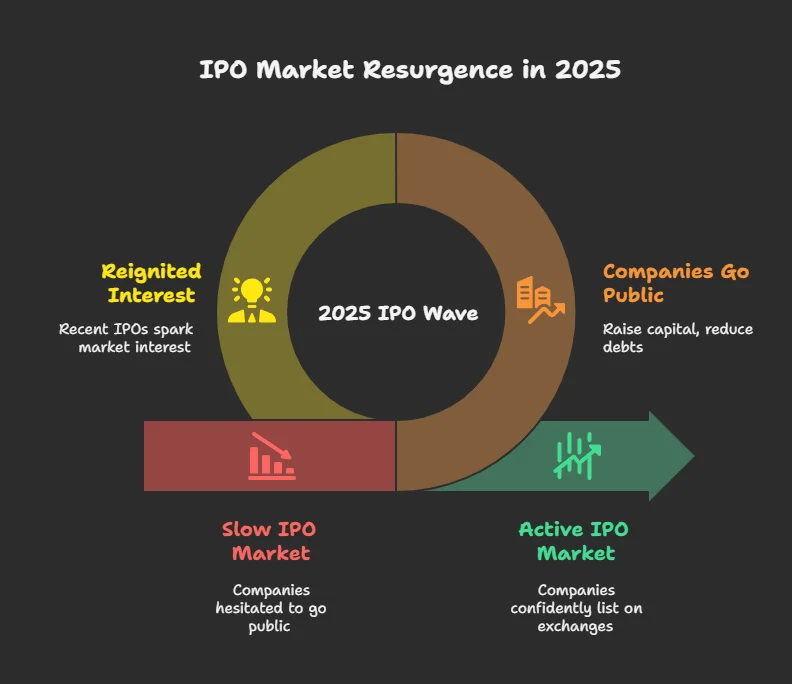
Companies go public to raise growth capital, provide liquidity to early investors and employees, reduce debt, and gain acquisition currency. But IPO timing is notoriously unstable: it depends on equity-market strength, interest rates, sector sentiment, and company-specific readiness. This is why a company can be “expected to IPO” for several years (Stripe and Databricks have appeared on watchlists for years without listing). Any upcoming-IPO list is a snapshot of intent, not a schedule.
Upcoming IPOs to watch in 2026 (Full Watchlist)
IPO plans change frequently, verify current status with a live IPO calendar such as the Nasdaq IPO Calendar before acting on any of it. A fuller watchlist with status detail is further down this page.
| Company | Reported valuation | Sector | Status (as of [DATE]) |
| SpaceX | ~$1.5T target | Space / AI infrastructure | Reportedly filed confidentially; possible 2026 |
| OpenAI | ~$730B–$1T (reports vary) | AI | Exploratory; timing uncertain (late 2026 / 2027) |
| Anthropic | ~$350–380B | AI | Reportedly laying groundwork; no decision confirmed |
| Databricks | ~$134B | AI / data infrastructure | Long-rumored; “when not if,” 2026 possible |
| Stripe | ~$106–159B (secondary) | Fintech | No S-1; founders signal no near-term IPO |
| Discord | ~$15B | Consumer tech | S-1 filed (Jan 2026); closely watched |
| Canva | ~$42B+ | Software / design | Signaled “imminent”; 2026–27 window |
| Cerebras | ~$23B | AI chips | Re-filed confidentially Feb 2026; pending clearance |
| Kraken | ~$15–20B | Crypto | S-1 filed; paused on market conditions |
A defining feature of the 2026 pipeline: it is the most AI-concentrated IPO class on record, by several industry counts, AI and AI-adjacent companies represent the large majority of pipeline value, led by SpaceX and OpenAI. For investors this concentration is itself a risk factor, not just a theme.
Recent Notable IPOs (2025, for Context)
For reference, the 2025 market was the strongest since 2021. Notable completed 2025 listings included CoreWeave, Circle, Klarna, Chime, Figma, Bullish, and StubHub. (Sourced from Renaissance Capital and exchange data; included as historical context, not as “upcoming.”)
What an Upcoming IPO Means for the Companies Themselves
For the private companies on any watchlist, the IPO is the visible endpoint of an invisible 12–24-month preparation process, financial audits, governance build-out, and the assembly of thousands of documents for due diligence and the S-1. This is where readiness is won or lost, and it is the part of the IPO story most lists ignore. Companies preparing to go public run this process in a virtual data room, where financials, contracts, and legal records are organized, access-controlled, and audit-logged for underwriters, auditors, and counsel. The IPOs that go smoothly are almost always the ones where this groundwork was disciplined, seelargest mergers in history andpublic comps for how valuation and scrutiny intersect at listing.
Frequently Asked Questions
What are the biggest upcoming IPOs in 2026?
The most-watched are SpaceX (reported ~$1.5T target), OpenAI (~$730B–$1T, timing uncertain), Anthropic (~$350–380B), Databricks (~$134B), and Stripe (~$106–159B in secondary markets, no filing). AI and AI-adjacent companies dominate the pipeline. Timing is market-dependent and changes frequently.
What is the next big IPO coming?
SpaceX is widely cited as the largest potential IPO, with reports of a confidential filing and a ~$1.5 trillion target valuation; OpenAI would rival or exceed it in size if it proceeds. Both timelines remain uncertain.
How does the IPO process work?
A company prepares for 12–24 months (IPO readiness), engages underwriters, completes due diligence and files an S-1 with the SEC, undergoes SEC review and a roadshow, prices the offering based on demand, and then lists and begins trading.
Why do upcoming IPO dates keep changing?
IPO timing depends on equity-market strength, interest rates, sector sentiment, and company readiness. Companies frequently delay; some (e.g., Stripe, Databricks) have been “expected” for years. Any list is a snapshot of intent, not a fixed schedule.
Where can I track upcoming IPOs in real time?
Use a live IPO calendar such as the Nasdaq IPO Calendar or Renaissance Capital, which update continuously from SEC filings. A guide like this one explains the names and the process; trackers provide the current dates.
What should a company do to get IPO-ready?
Spend 12–24 months strengthening financial reporting, governance, and operational discipline, then organize all diligence documentation in a secure virtual data room for underwriters, auditors, and counsel ahead of the S-1.
The Real Signal Beneath the IPO Watchlist
It is tempting to read an “IPOs to watch” list as a set of dates to mark on a calendar. The more accurate reading is that these lists are a snapshot of intent in a market where timing is the least predictable variable, which is why the same names recur on watchlists for years.
The durable insight is the inverse of the list: the companies that list successfully are not the ones with the most hyped names but the ones that did the unglamorous readiness work, audited financials, clean governance, and disciplined document preparation, long before they appeared on anyone’s calendar. The 2026 pipeline’s record AI concentration makes that discipline matter more, not less, because investor scrutiny rises with valuation. The watchlist tells you who might go public; readiness determines who does it well.

Matthew Small is the Vice President of Strategic Sales and Alliances at SmartRoom, where he builds partnerships and leads strategic efforts to deliver cutting-edge virtual data room solutions for dealmakers. With a strong background in enterprise sales and channel development, Matthew is passionate about unlocking new growth opportunities and helping clients navigate complex transactions with greater speed, security, and confidence.